
What we do

Programs & Initiatives

From education, women’s empowerment to skills training and tourism promotion, our programs are designed to create lasting change in targeted communities.

Our Work

Focused. Community-led. Sustainable.

Education Initiatives

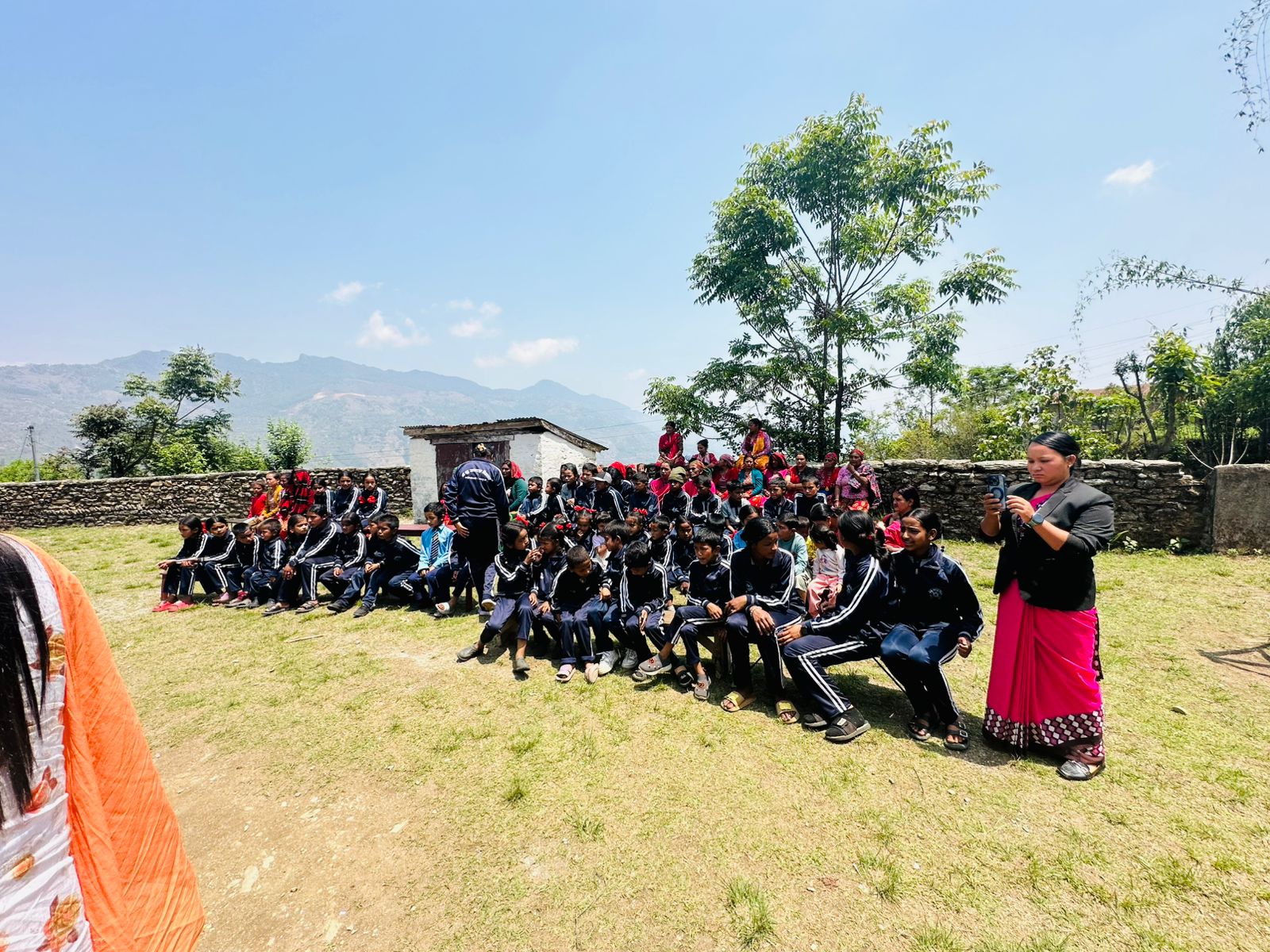
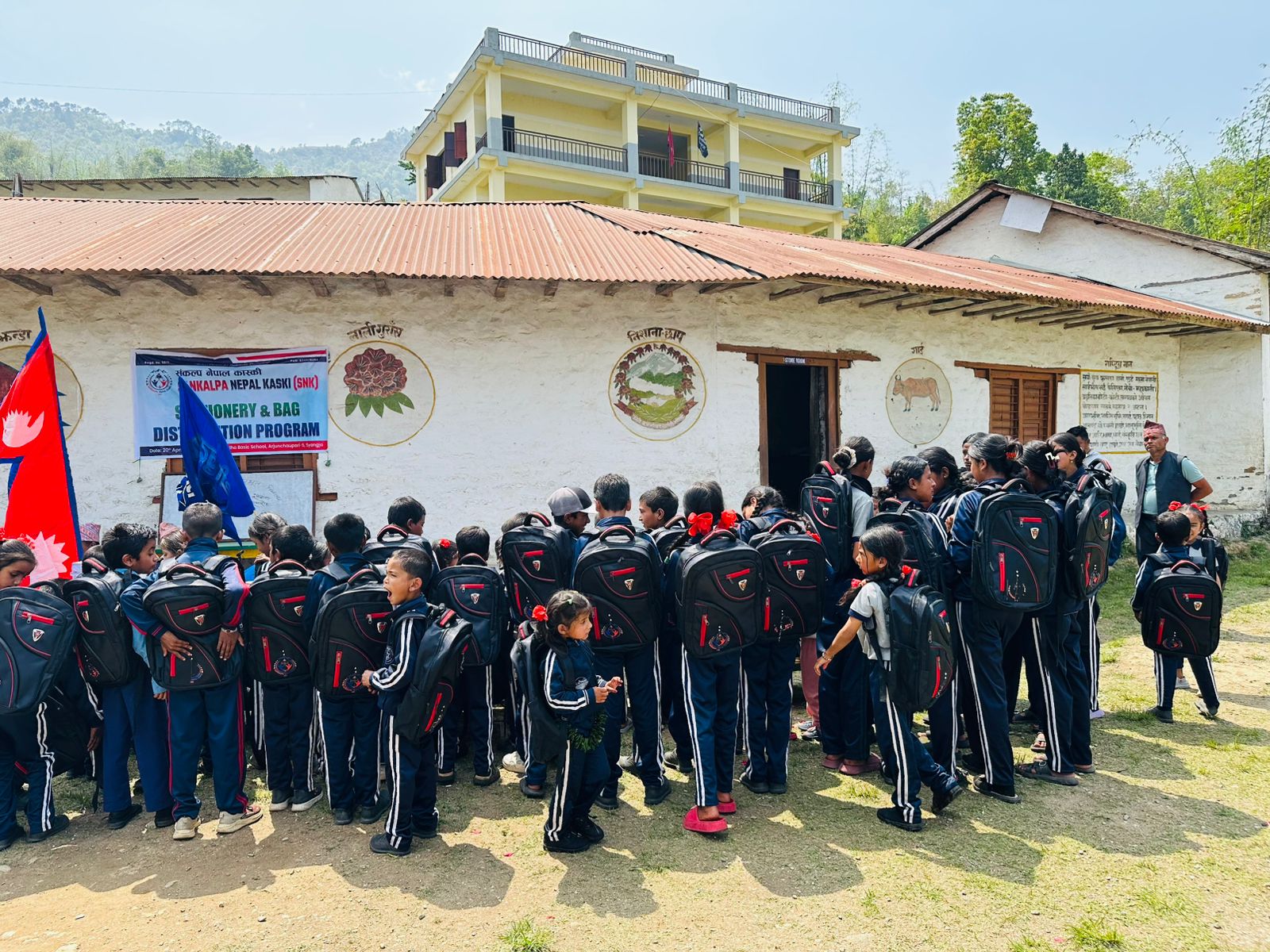
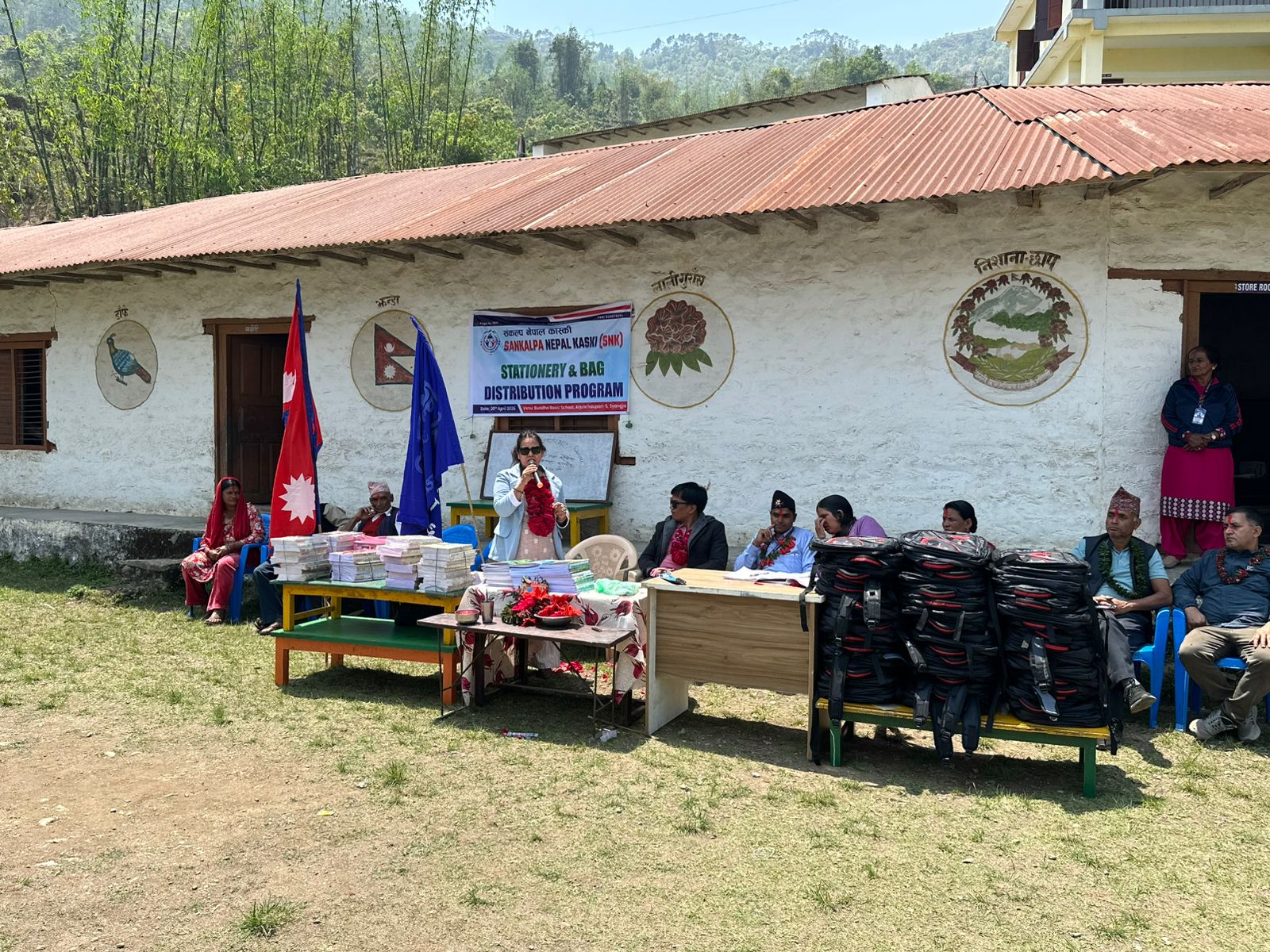
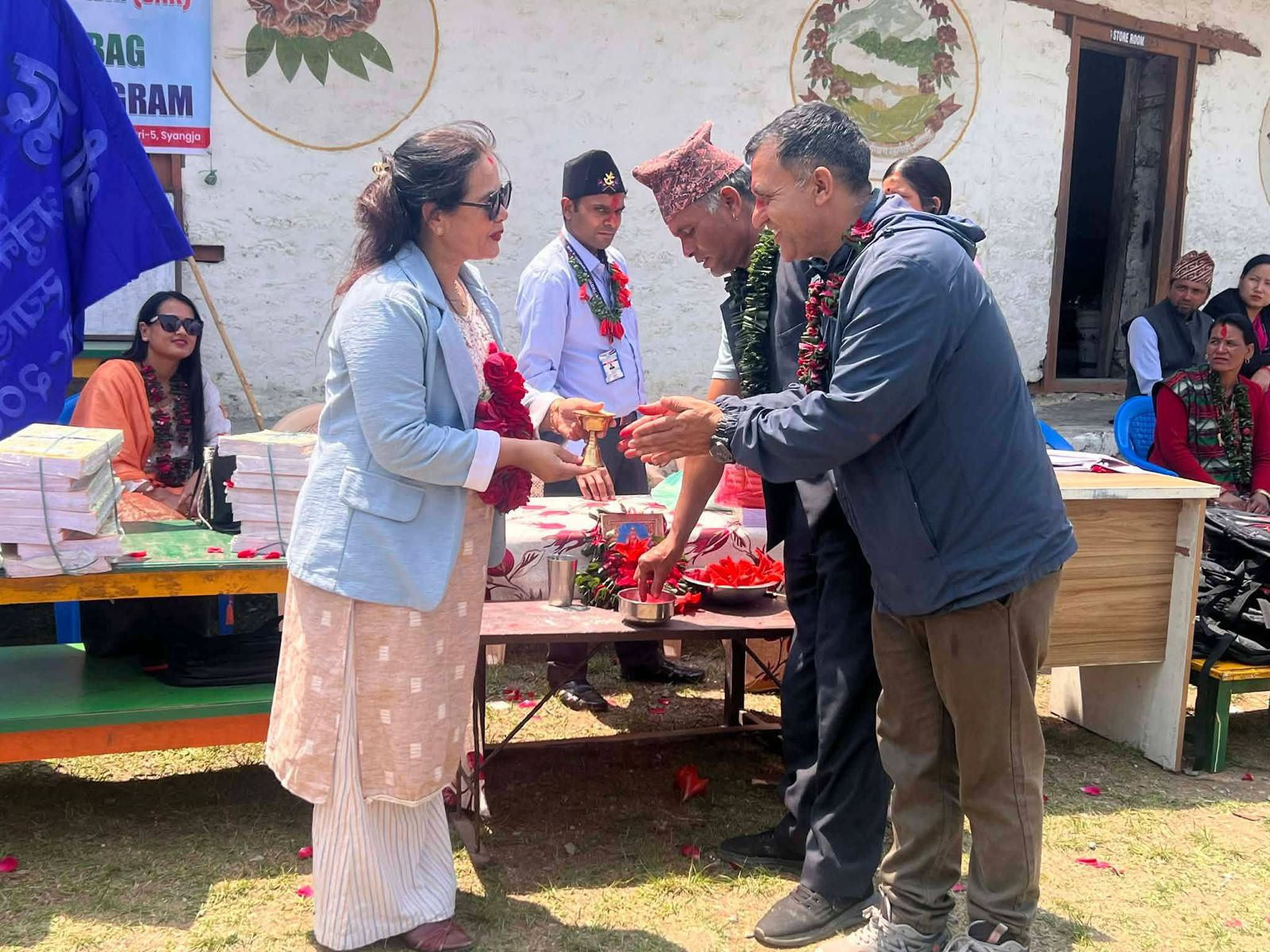
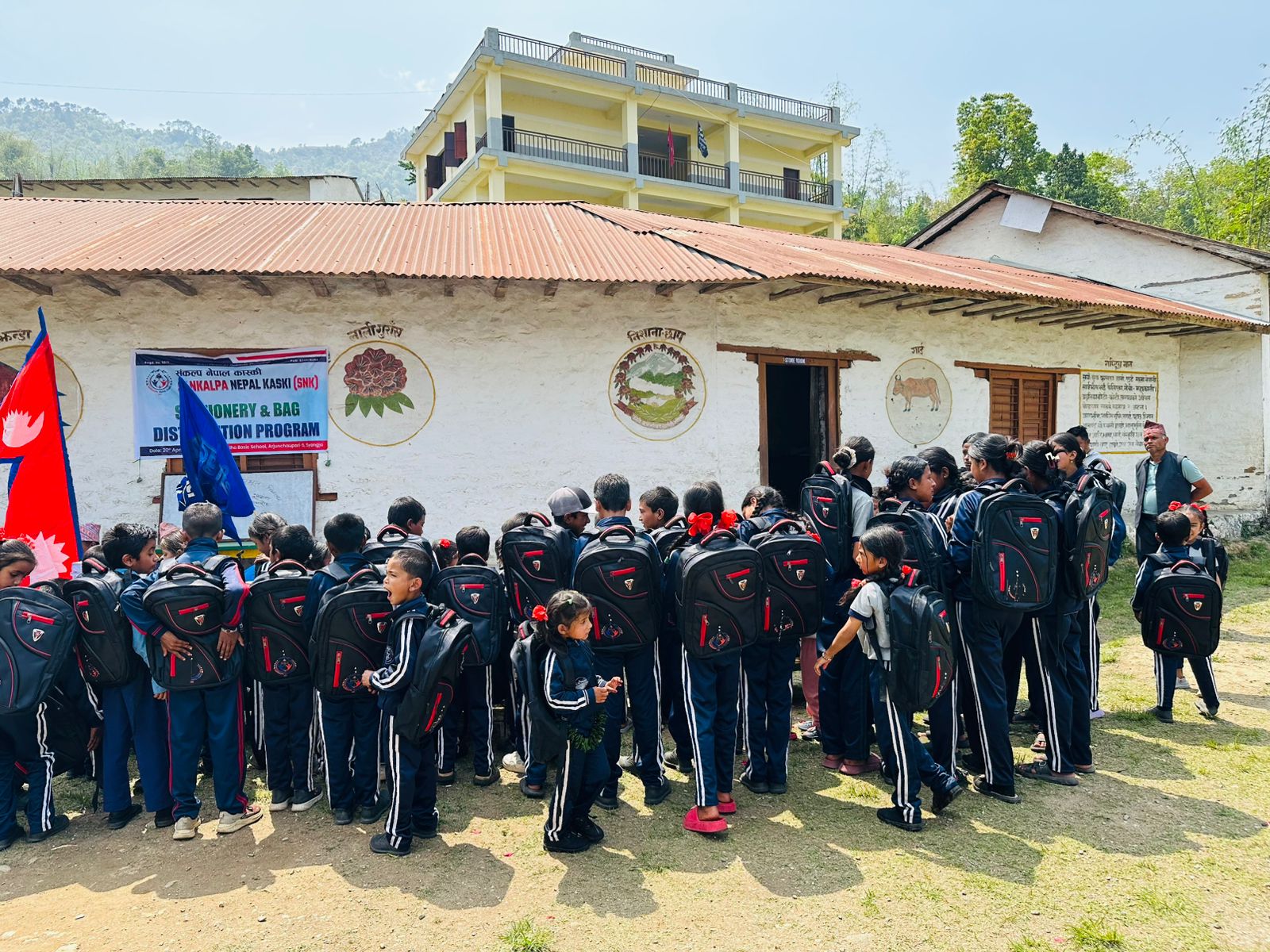
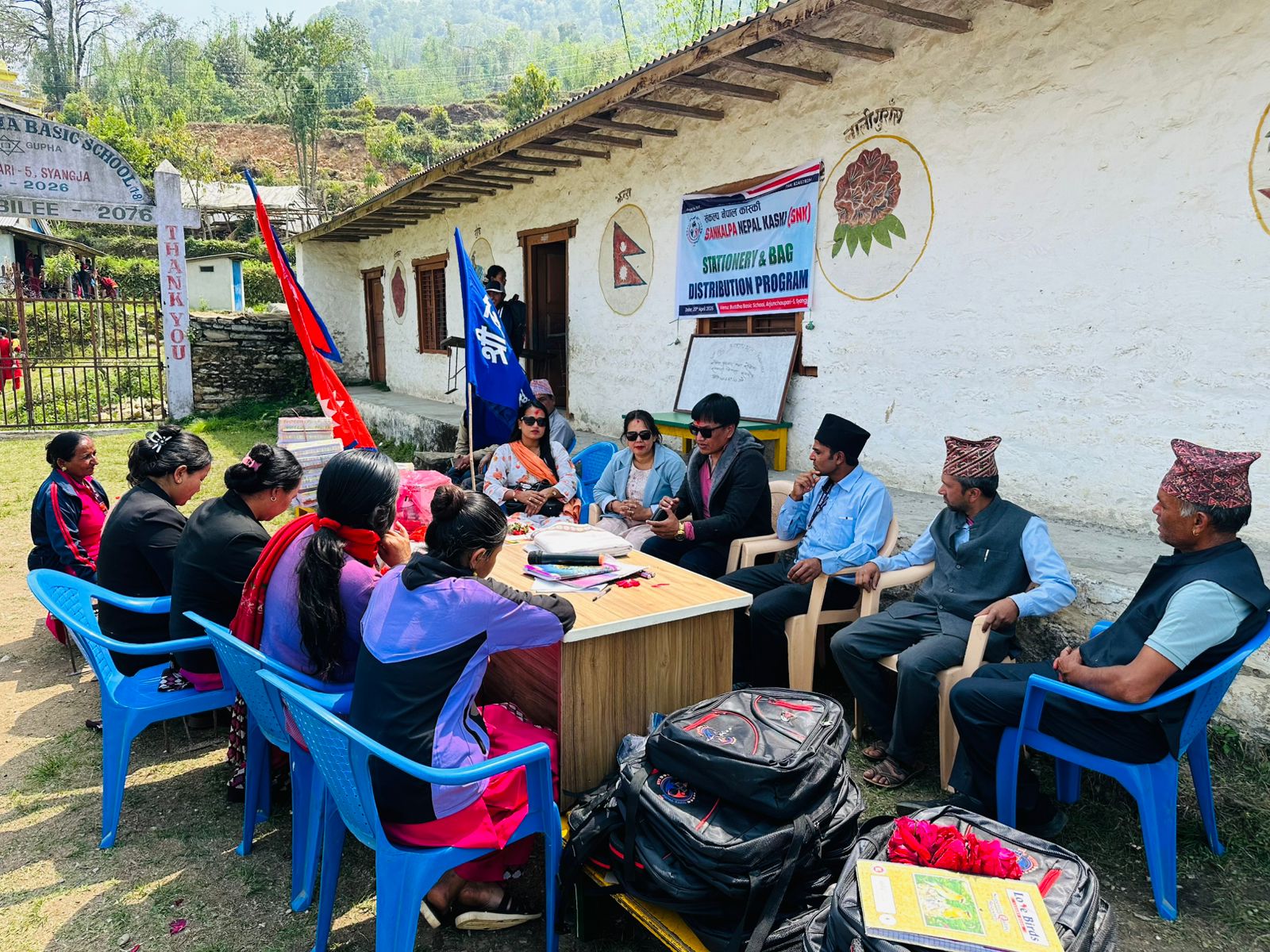
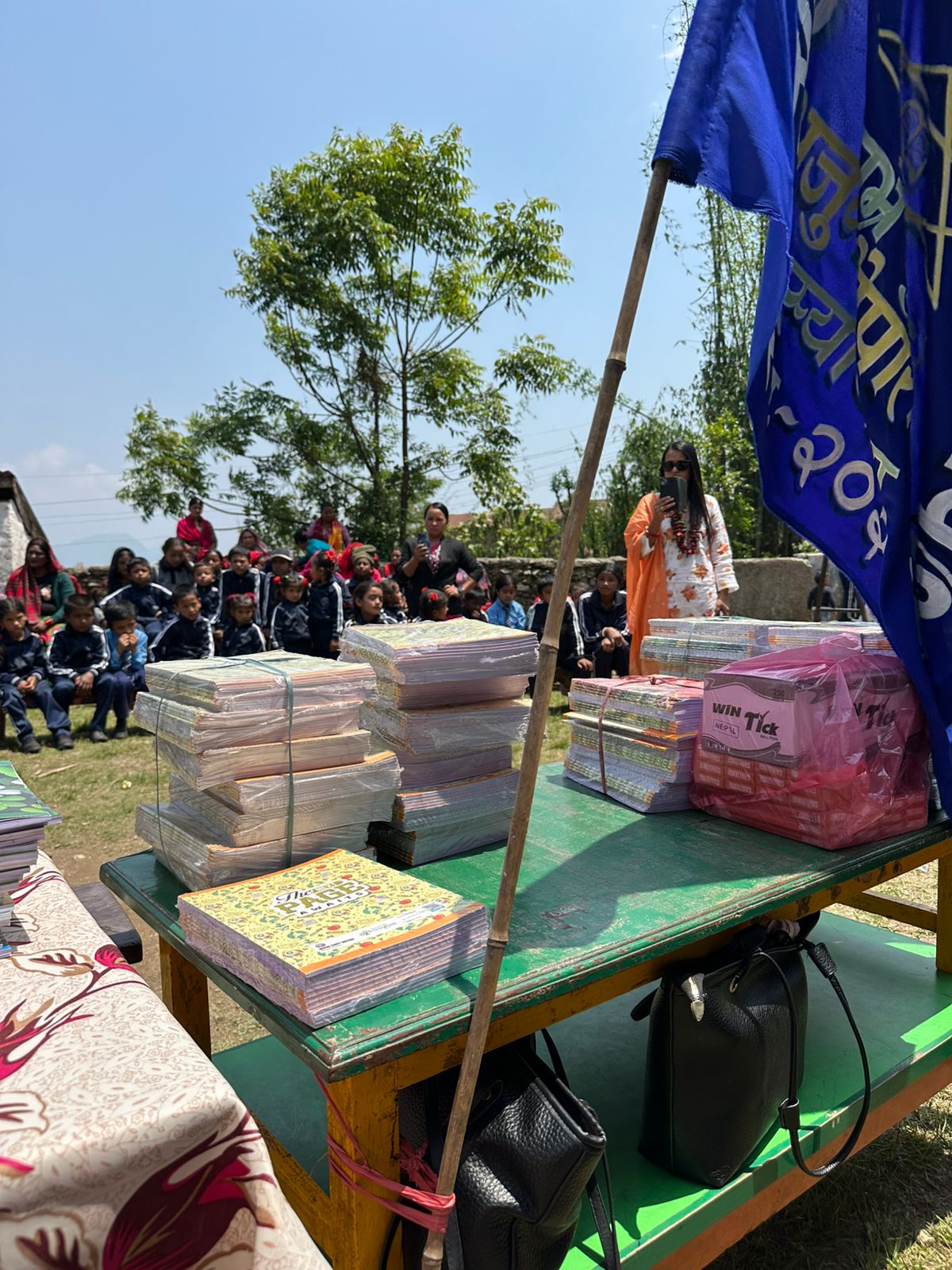
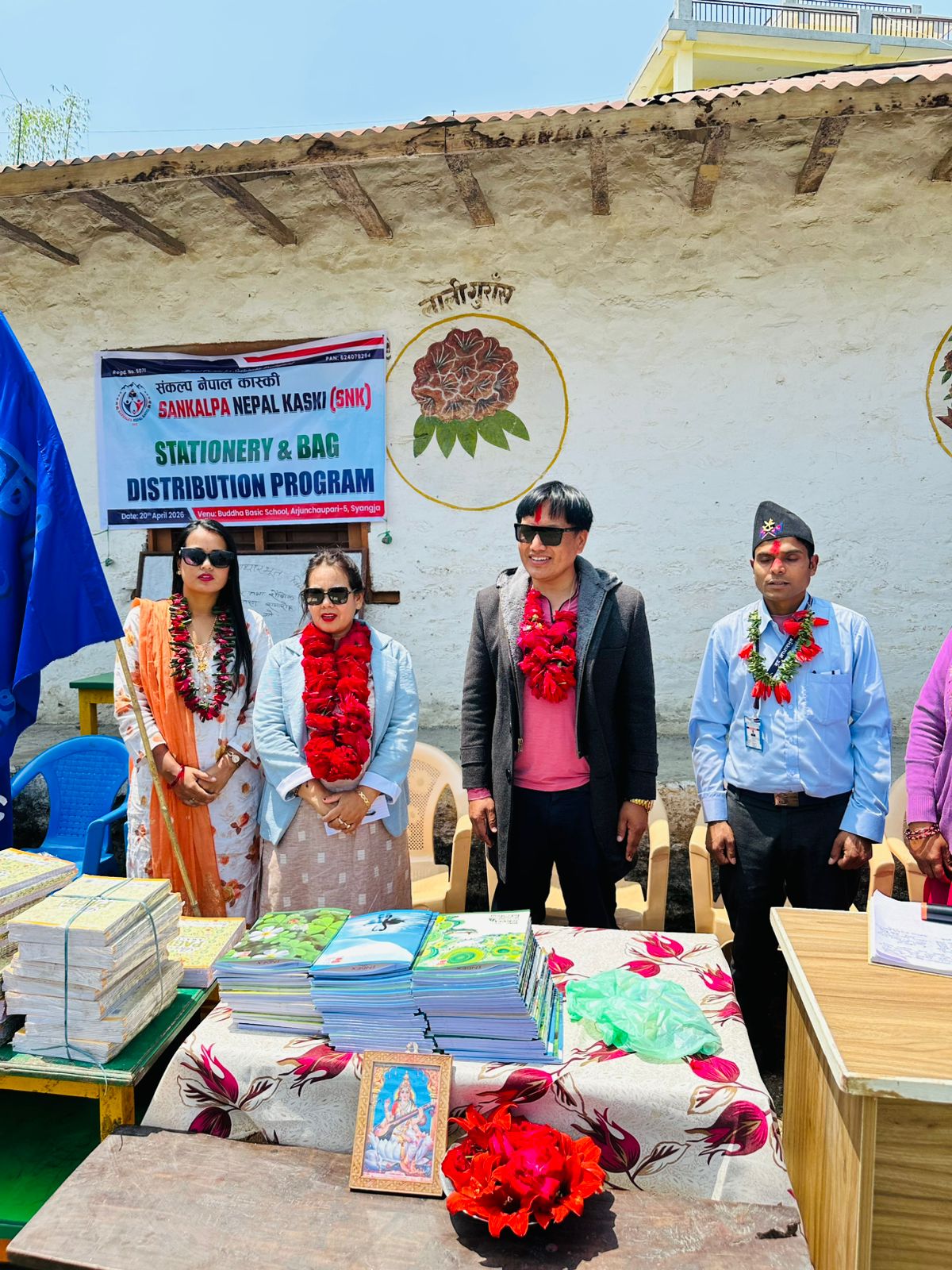
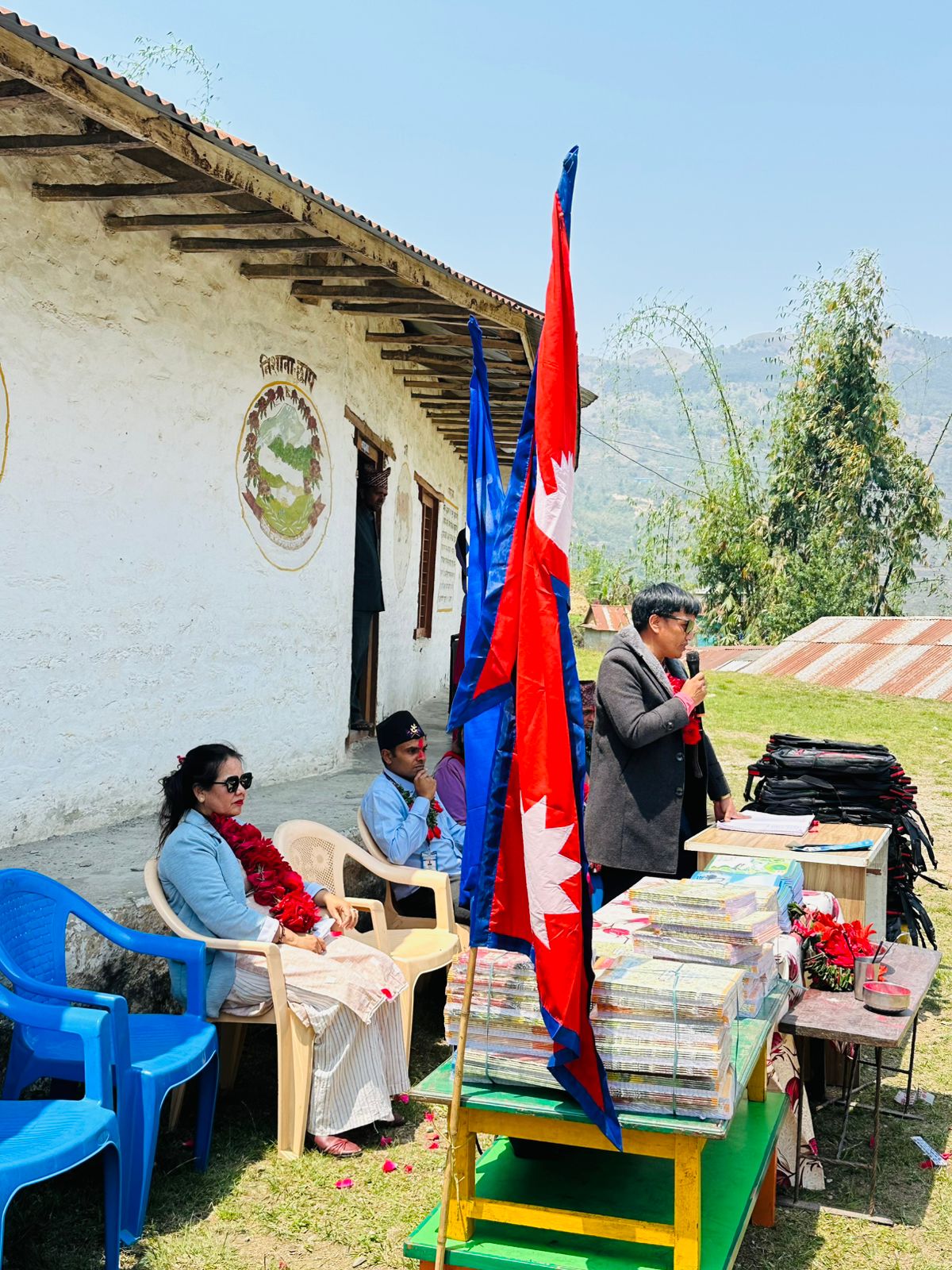
Education sits at the heart of Sankalpa Nepal’s mission. We believe that access to quality learning is fundamental to social transformation. Our programs span formal literacy, vocational training, and lifelong skills development.

  • Literacy programs for adults and youth in underserved communities
  • Scholarships and learning support for children from marginalised families
  • Teacher training and school improvement initiatives
  • Digital literacy and technology access programs

Women Empowerment

Women’s advancement in business and entrepreneurship is one of the most remarkable features of the Pokhara region — and Sankalpa Nepal is committed to accelerating this momentum. Our women’s empowerment programs provide targeted support, networking, and resources.

  • Business and entrepreneurship training for women in Kaski and beyond
  • Leadership development and confidence-building workshops
  • Market linkage and economic opportunity creation
  • Advocacy for women’s rights and equal participation in community decisions

Skills & Vocational Training

In partnership with local governments, Sankalpa Nepal delivers income-generating training programs that give marginalised groups the practical skills needed for economic independence and dignified livelihoods.

  • Vocational and trade skills training in high-demand sectors
  • Income-generating project development and mentoring
  • Collaboration with local government under social responsibility frameworks
  • Microfinance access and financial literacy for participants

Tourism Promotion

Pokhara — declared the tourism capital of Gandaki Province — is a city of extraordinary natural beauty at the shores of Phewa Lake, in the shadow of the Annapurna range. Sankalpa Nepal works to responsibly promote this region and connect tourism growth to community benefit.

  • Cultural and heritage promotion in the Kaski–Pokhara corridor
  • Training local guides and hospitality workers
  • Religious and pilgrimage tourism development
  • Eco-tourism and sustainable travel initiatives